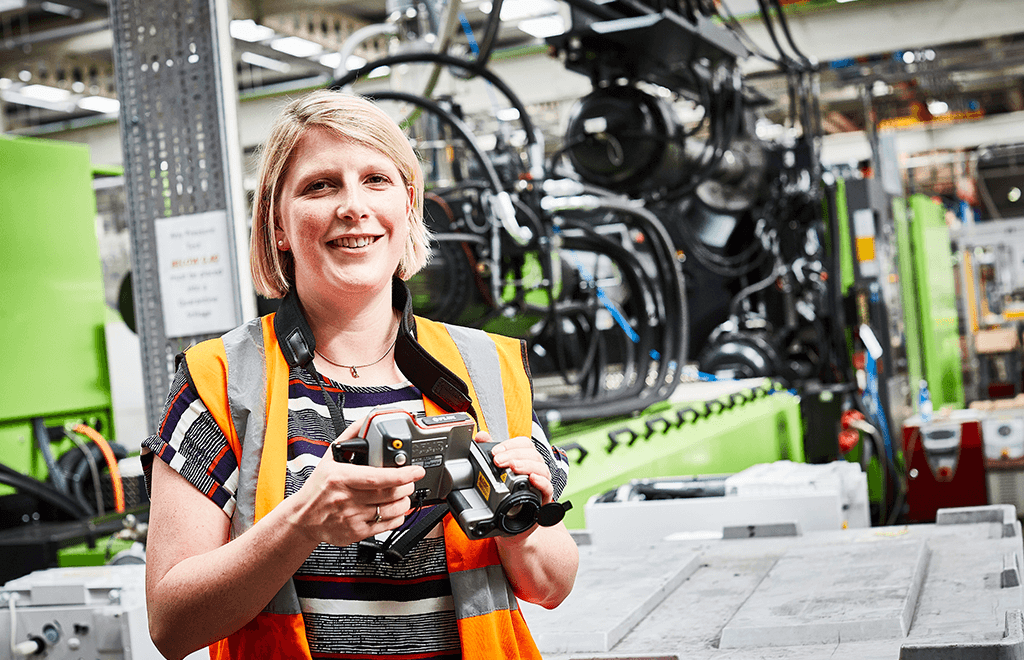
Thermography uses the science of infrared to portray temperature differences in thermal images. Thermal imaging cameras detect infrared radiation i.e. heat in the infrared range of the electromagnetic spectrum. The amount of radiation emitted by an object increases with temperature and therefore thermography allows us to see variations in temperature over a surface.
Our thermal imaging camera converts infrared radiation into a visual picture so temperatures over a large area can be compared. It has multiple uses where identifying a temperature difference is important. It therefore allows us to visualise heat loss, source air leaks, identify missing insulation and detect electrical faults. It is particularly useful when assessing the energy efficiency of heat-based processes.
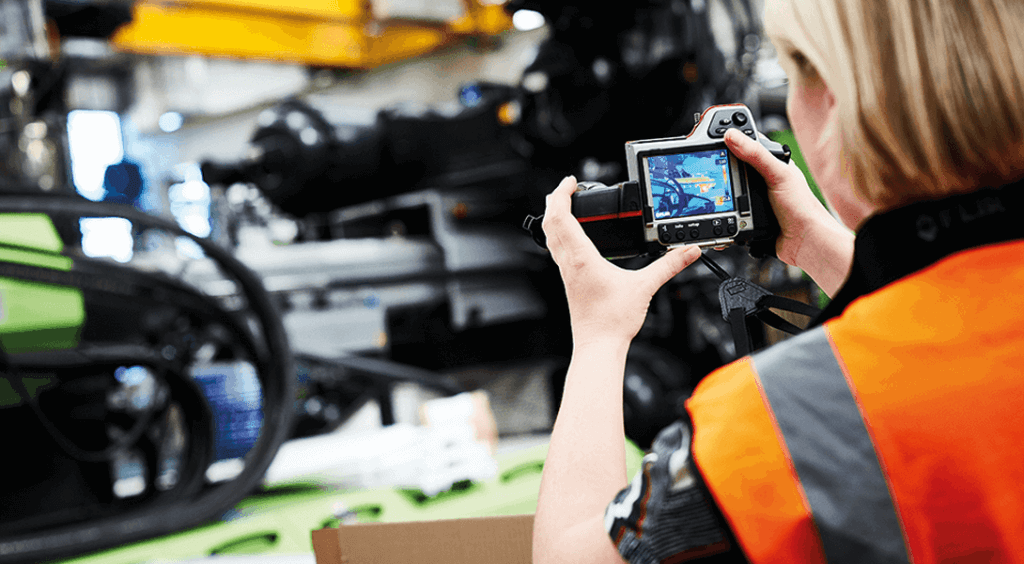
At Environmental Strategies Ltd we use a Flir infrared camera as part of energy-intensive process audits, building diagnostics and electrical and mechanical monitoring at your site. Our certified thermographer will guide you through the survey and you will receive a fully analysed report of the findings.
For every application either a qualitative or a quantitative survey can be commissioned. A qualitative survey identifies possible problems in a surface or object by analysing the thermal patterns. For many applications locating the problem is enough, for example highlighting areas of missing insulation. However a quantitative survey can be utilised to determine how serious the problem is i.e. what is the exact temperature and therefore how soon does it need rectifying. Our thermographer can discuss with you the type of survey you require.